
If you needed braces, had jaw problems, or remember the discomfort of crowding, extractions, or complicated orthodontic work as a child, there’s something important you should know:
- Many orthodontic and jaw-growth issues are hereditary.
- Your child may inherit the same patterns.
- But this time… early orthodontic assessment can prevent the complexity you experienced.
At West House Dental in Pinner, one of the most common questions parents ask is “when should my child see an orthodontist?” Many tell us, “I wish someone had spotted my jaw problem earlier, my child is starting to look just like me at that age.”
This early assessment guide will help you understand when to act, what to look for, and how early intervention can make treatment simpler, shorter and far less invasive for your child.
The Hereditary Link | The hereditary link: Why your past matters for your child’s future
If you had any of the following growing up:
- Crowded teeth
- Narrow arches
- Overbite or underbite
- Crossbite
- Speech issues related to tooth position
- Teeth that stuck out
- Needed extractions before braces
… then your child has a much higher chance of developing similar hereditary orthodontic problems.
These patterns are often genetic, and they don’t always correct themselves. But unlike when many parents were treated, often in teenage years, modern pediatric orthodontics emphasises early interceptive orthodontics.
This means:
- guiding the jaw while it is still growing
- preventing severe crowding
- creating space naturally
- reducing the need for extractions
- potentially avoiding complex orthodontic or even surgical treatment later
Right Age For Assessment | When should my child see an Orthodontist? The right age for assessment
Most parents assume orthodontics starts at age 12–13, when all the adult teeth arrive.
But this is often too late to influence jaw growth.
At West House Dental in Pinner, we recommend your child’s first orthodontic visit at around age 7, especially for children with a family history of bite problems.
Why age 7 orthodontic assessment?
Because by then:
- the first adult teeth have appeared
- we can see early crowding
- we can spot jaw growth problems in children
- we can predict future complications
- we can plan early treatment before problems become severe
An orthodontic assessment does not always mean braces straight away, but it gives you a clear roadmap for your child’s orthodontic needs.
Early Intervention Advantages | The big advantage of early intervention (that many parents never had)
When parents come to us at our Pinner orthodontic practice, they often ask:
“Will starting early save my child from the treatment I had?”
In many cases yes. Early orthodontic treatment benefits include:
- Widen a narrow jaw in children without surgery
- Create room for adult teeth to come through normally
- Reduce the need for tooth extractions in children
- Prevent adult teeth from becoming severely crowded
- Improve bite alignment before it becomes fixed
- Avoid long, complex treatment during the teenage years
Children’s jaws are still soft and responsive, which means guiding jaw growth is far easier before adolescence.
This is why an early orthodontic assessment can be one of the best investments you can make in your child’s long-term dental health.
Signs My Child Needs Braces | Signs my child needs braces: When to seek Orthodontic help
If you had jaw issues or orthodontics, pay special attention to these signs your child needs an orthodontist:
- Crowded teeth in children (yes, baby teeth!)
- Child’s smile looking “narrow”
- Teeth overlapping early
- Jaw alignment problems or jaw shifting to one side
- Difficulty biting food evenly
- Mouth-breathing in children
- Snoring
- Speech difficulties
- Protruding upper teeth
- Underbite or crossbite treatment needed
- Gaps that don’t close as teeth erupt
The earlier these signs are spotted, the easier they are to correct with interceptive orthodontics.
How We Support Children’s Orthodontics | How West House Dental in Pinner supports children’s orthodontics
At West House Dental, our orthodontist in Pinner and orthodontic team of dentists and dental therapists offer:
- Early orthodontic assessment from age 7
- Monitoring from childhood through adolescence
- Interceptive orthodontic options to guide jaw growth
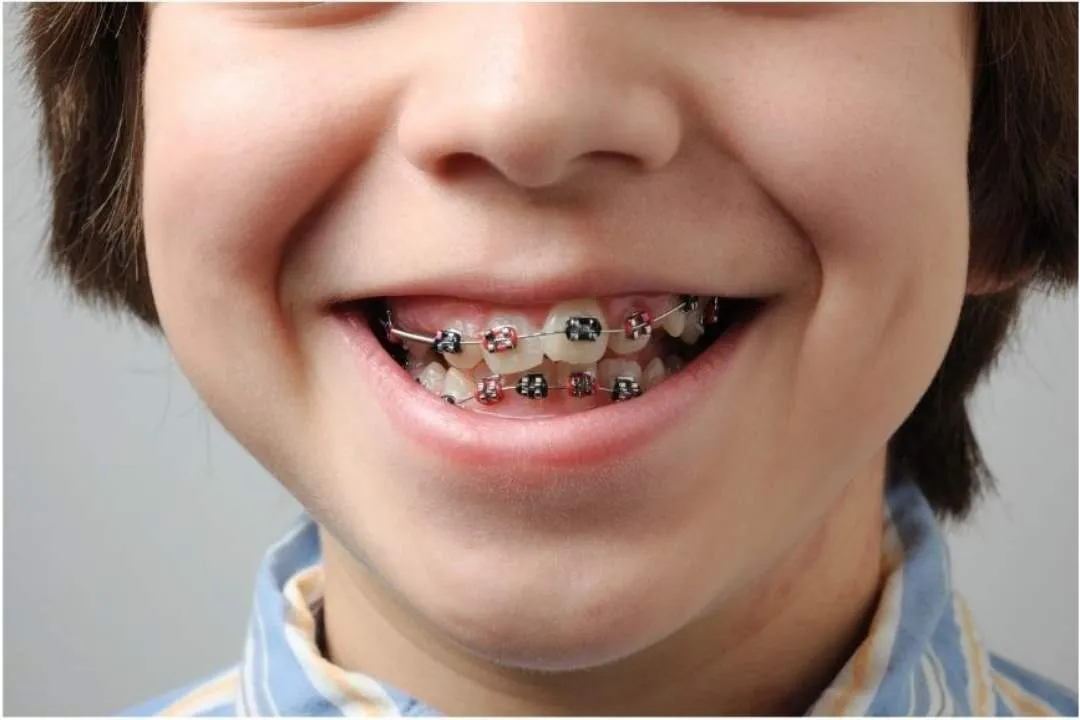
- Full early braces (fixed or clear) when needed
- Calm, supportive care for nervous children
- A clear, personalised treatment plan tailored to your child
Our focus is on reducing complexity before it develops, using a family-centred, preventative approach to children’s orthodontic care.
First Orthodontic Visit | What happens at your child’s first Orthodontic visit?
Your orthodontic assessment for children may include:
- Bite assessment
- Jaw alignment evaluation
- Growth pattern analysis
- Check for crowding or spacing
- Eruption sequence monitoring
- Photos or X-rays if needed
- A personalised plan (monitoring or early treatment if helpful)
We explain everything gently to you and your child, no pressure, no fear, no rush.
Benefits of Early Assessment | Early assessment means easier treatment and happier children
Many parents say they felt powerless as children, starting orthodontics only after problems became uncomfortable or severe.
But now, with early intervention orthodontics, we can intervene early and gently.
An early orthodontic assessment can mean:
- Shorter treatment time
- Less visible appliances
- Less trauma or discomfort
- Better long-term results
- A confident smile from a young age
Think of it as giving your child the advantage you wish you’d had.
Protect Your Child’s Smile | Ready to protect your child’s future smile?
If you or your partner had braces, extractions, or jaw problems growing up, it’s especially important to schedule your child’s orthodontic assessment early. Contact our orthodontist for children in Pinner today—discuss it with your dentist at your next check up, or give us a call and we will be happy to help.