
Why Age 7 Is the Right Time for an Orthodontic Check
The British Orthodontic Society recommends that every child has an orthodontic assessment by the age of seven. At this stage, your child will have a mix of baby and adult teeth, giving us an early window to spot potential alignment issues before they become more difficult — and expensive — to correct.
At West House Dental in Pinner, we see families every week who are relieved they came in early. A short assessment at this age can save years of treatment later on.
What Happens During an Early Assessment
During your child’s first orthodontic assessment at West House Dental, our team will carry out a thorough but gentle examination. This typically includes:
- A visual inspection of tooth alignment and bite
- Digital X-rays to check the position of unerupted adult teeth
- An assessment of jaw growth and facial symmetry
- A discussion with you about any concerns or habits (such as thumb-sucking)
The entire appointment is relaxed and child-friendly. There are no uncomfortable impressions or invasive procedures at this stage.
Common Issues Detected Early
Crossbites
A crossbite occurs when the upper teeth sit inside the lower teeth rather than outside. Left untreated, this can cause uneven jaw growth and long-term discomfort. Early correction with a simple appliance can guide the jaw into the correct position while your child is still growing.
Crowding
When the jaw is too small to accommodate all permanent teeth, crowding occurs. Early intervention can create space for adult teeth to come through naturally, potentially avoiding the need for extractions in the teenage years.
Open Bites
An open bite means the front teeth don’t overlap when the mouth is closed. This is often linked to prolonged thumb-sucking or dummy use. Identifying it early means we can work with you to address the habit and correct the bite before it becomes fixed.
Benefits of Early Intervention
Starting treatment early can make a significant difference to your child’s dental journey:
- Reduced need for extractions — guiding teeth into position while the jaw is still developing
- Shorter braces duration — early correction means less complex treatment as a teenager
- Improved breathing and speech — correcting jaw alignment can open airways and improve articulation
- Boosted confidence — addressing visible issues early prevents self-consciousness during formative school years
- Lower overall cost — simpler early treatment is typically more affordable than complex later intervention
What Treatment Options Are Available?
Removable Appliances
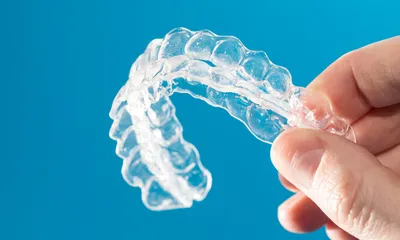
For younger children, removable appliances are often the first step. These are custom-made devices that gently guide jaw growth and tooth movement. They can be removed for eating and brushing, making them practical for everyday life.
Fixed Braces
In some cases, fixed appliances may be recommended for a short period during the mixed-dentition stage. Modern fixed braces are smaller and more comfortable than ever, and treatment times for early intervention are typically much shorter than full teenage orthodontics.
Monitoring Plans
Not every child needs immediate treatment. Sometimes the best course of action is a monitoring plan, where we see your child every six to twelve months to track development. This ensures we intervene at exactly the right time if treatment does become necessary.
Book Your Child’s Assessment in Pinner
West House Dental welcomes children of all ages for orthodontic evaluations. Our Pinner practice is designed to make young patients feel comfortable and at ease. Early assessment gives your child the best possible start — and gives you peace of mind.
To book an appointment, call our friendly reception team or use the online booking form below.